Mohawk Heirloom Nicotiana Rustica Tobacco Seeds
Sacred Ceremonial Mapacho
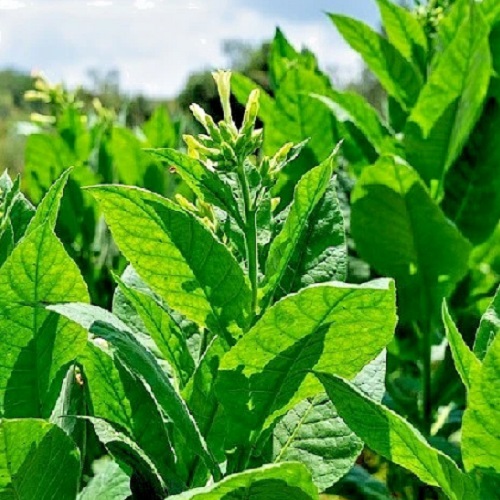
Step into a deep lineage of botanical history with Nicotiana rustica, specifically the Mohawk variety. Unlike common smoking tobacco (Nicotiana tabacum), Rustica is a distinct, ancient species revered for centuries across the Americas. This specific strain is deeply intertwined with the heritage of the Haudenosaunee (Iroquois) Confederacy, specifically the Mohawk people, who have traditionally cultivated it for ceremonial, medicinal, and spiritual purposes.
Mohawk Tobacco Rustica plants reach about three feet in height, are vigorous in growth, and fairly hardy. The abundant, pale-yellow blossoms bloom for an extended period and make it an interesting choice as a ornamental annual in flowerbeds and gardens. They do exceptionally well in areas with short growing seasons.
Cultural Significance: Historically known as "Sacred Tobacco," this plant was not used for recreation but as a powerful tool for prayer, offering, and sealing agreements. It remains a cornerstone of traditional indigenous horticulture.
Botanical Strength: Nicotiana rustica is famous for its incredible potency, containing up to nine times the nicotine content of commercial varieties.
Growth Habit: A hardy, resilient plant reaching 2–3 feet in height. It features thick, rounded, heart-shaped leaves and distinct, pale yellow bell-shaped flowers that bloom in mid-to-late summer.
Visual & Garden Interest
Floral Display: The uniquely shaped yellow blossoms are a magnet for hummingbirds and nocturnal pollinators.
Resilience: Known for its "wild" genetics, this variety is significantly more cold-hardy and pest-resistant than modern commercial tobacco strains.
Sowing & Cultivation Guide
Mohawk Nicotiana Rustica Tobacco Seeds are tiny and look like dust, but each seed has the potential to quickly grow into a formidable tobacco plant. They need light to germinate, so sprinkle the seeds onto the surface of a moist and sterile seed starting mix. Do not cover the seeds. They also must never be allowed to dry out, so they are frequently (but gently) watered using a mist from a spray bottle. While waiting for germination, it can help to cover them with some kind of plastic sheeting to help keep in moisture.
Once the tiny seedling sprouts emerge, you can pick them out one by one and move them into individual cells. Very lightly fertilize and never allow the potting soil to dry out. Within 6 weeks they will be ready to plant in the garden. Wait until all risk of frost is over before planting outdoors.
Start Indoors: For the best results, start seeds indoors 6–8 weeks before the last frost. The seeds are very small; sow them on the surface of fine, moist seed-starting mix.
Light is Key: These seeds require light to germinate. Do not cover them. Press them lightly into the soil to ensure contact.
Transplanting: Once all danger of frost has passed, transplant into a sunny location with rich, well-draining soil. Space plants 18–24 inches apart.
Harvest: For traditional use, leaves are typically harvested as they begin to yellow at the edges.
Botanical Name: Nicotiana rustica
Type: Heirloom / Heritage Seed
Life Cycle: Annual
Sunlight: Full Sun
Watering: Medium
Features: High Potency, Robust Growth, Pollinator Friendly, Cultural Significance
Why Choose Our Heritage Seeds?
Heirloom Integrity: 100% pure Nicotiana rustica seeds, maintained to preserve the original characteristics of the Mohawk strain.
High Germination: Recently harvested and stored in climate-controlled conditions to ensure vigorous growth.
Ceremonial Sacred Mohawk Tobacco