Unprocessed Turkish Blue Poppy Seeds For Planting. Fresh, Stratified, Organic, Non-GMO

The Turkish Blue Poppy: A Heritage Bloom Rooted in Anatolia
Among the many flowers woven into the cultural and agricultural history of Türkiye, few are as quietly influential as the Turkish Blue Poppy. Despite its name, this plant is not known for blue petals but for the blue‑grey seeds that have flavored Turkish breads and pastries for centuries. Its blooms—silky, luminous, and often marked with dramatic dark centers—have made it a favorite of gardeners, while its seeds have shaped culinary traditions across the Middle East and Europe.
A Flower with a Misleading Name
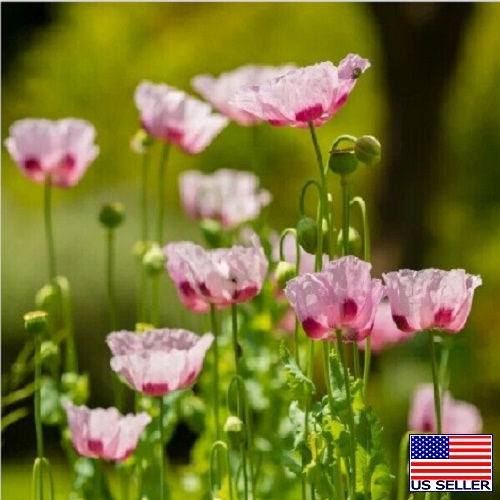
The term Turkish Blue Poppy most commonly refers to a regional heirloom of Papaver somniferum, the same species that produces the familiar poppy seeds used in baking. The “blue” in its name describes the seed color, not the flower. The blossoms themselves range from soft lavender to deep rose‑purple, each petal thin enough to glow when backlit by the sun.
A second species, Papaver glaucum—the so‑called tulip poppy—adds to the confusion. Native to central and eastern Türkiye, it bears petals with a subtle bluish cast and a distinctive upright, tulip‑like form. Though visually striking, it is not the source of the culinary blue poppy seed.
An Anatolian Legacy
For thousands of years, poppies have grown across the Anatolian plateau. Ancient civilizations cultivated them for seed, oil, and ritual use. Today, Türkiye remains one of the world’s most important producers of poppy seed and poppy seed oil, with carefully regulated agricultural programs that preserve heirloom genotypes.
Recent agronomic studies of Turkish poppy lines reveal why the plant has remained so valuable. Modern analyses show:
- Oil content consistently between 38–44%
- Protein levels around 16–18%
- High linoleic acid, often exceeding 70%
These qualities make Turkish blue poppy seed both nutritious and flavorful, with a clean, nutty aroma prized in baking.
A Garden Favorite
Beyond its agricultural importance, the Turkish Blue Poppy has become a beloved ornamental. Its tall, upright stems—often reaching 3–4 feet—carry large, papery blooms that sway in early summer breezes. After flowering, the plant forms sculptural seed pods that dry into natural ornaments, used in wreaths, arrangements, and craftwork.
Gardeners appreciate the plant’s self‑sufficiency. Once established, it tends to reseed itself each year, returning with minimal intervention. It thrives in full sun, tolerates poor soil, and prefers the cool nights of spring—though with careful timing, it can be coaxed into blooming even in warm regions like Florida.
Cultural and Culinary Significance
In Turkish cuisine, blue poppy seeds—haşhaş—are more than a garnish. They are ground into pastes, folded into breads, sprinkled over pastries, and pressed into oil. In regions like Afyonkarahisar, entire local identities are tied to poppy cultivation.
The seeds’ subtle crunch and earthy sweetness make them a staple in both savory and sweet dishes. Their blue‑grey color, unique among poppy varieties, gives baked goods a distinctive speckled appearance.
A Plant of Beauty, Utility, and History
The Turkish Blue Poppy sits at the intersection of agriculture, culture, and ornamental gardening. It is a plant that feeds, adorns, and connects modern growers to ancient traditions. Whether admired for its shimmering petals or harvested for its flavorful seeds, it remains one of Türkiye’s most enduring botanical treasures.

Copyright 2017–2026 Heirloomsnhybrids. All Rights Reserved.