The Giant Rattler - Stratified, Organic Papaver Somniferum Poppy Seeds For Planting
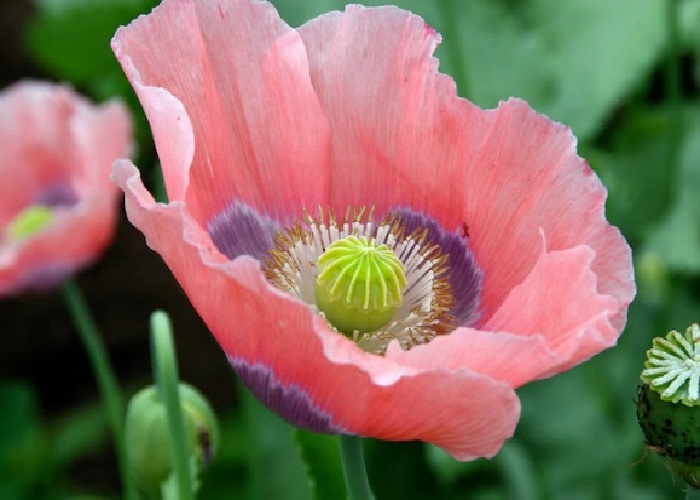
🌿 Papaver somniferum var. giganteum: The Majestic Giant of the Poppy World
Giganteum poppy seeds come from one of the most dramatic and visually striking poppy varieties ever cultivated. Known for their towering stems, enormous seed pods, and elegant crepe‑textured blooms, these poppies have become a favorite among gardeners, floral designers, and seed collectors alike.
🌸 What Exactly Is the Giganteum Poppy?
The giganteum poppy is a breadseed poppy cultivar selected for its exceptionally large seed pods—often the biggest of any poppy species.
- Botanical name: Papaver somniferum var. giganteum
- Common names: Giant poppy, giganteum breadseed poppy, giant seed pod poppy, Giant Rattler
- Height: 3–5 ft
- Bloom size: 4–8 inches
- Pod diameter: Often 2–3 inches
These plants are grown primarily for their ornamental value, seed production, and decorative pods.
🌺 Appearance & Growth Habit
Giganteum poppies are unmistakable:
- Tall, upright stems topped with large, silky blooms
- Blue‑green foliage with a waxy, glaucous finish
- Massive pods that dry into sculptural, crown‑topped capsules
- Color range from soft lavender to white, pink, and deep plum
Their blooms last only a few days, but the pods remain visually striking for months.
🌱 Why Gardeners Love Giganteum Poppy Seeds
- Huge decorative pods — prized in dried arrangements, wreaths, and natural crafts
- Easy self‑seeding — once established, they return reliably each year
- Low maintenance — thrive in poor soil and dry conditions
- Pollinator‑friendly — bees adore the open, pollen‑rich blooms
- Culinary seeds — the mature seeds are the same type used in baking
🌤️ Ideal Growing Conditions
Giganteum poppies prefer:
- Full sun (minimum 6 hours daily)
- Well‑drained soil (they dislike wet feet or heavy clay)
- Cool weather for germination
- Minimal disturbance (they resent transplanting and prefer direct sowing)
They are typically grown as cool‑season annuals, utilizing natural winter stratification processes for vigorous growth.
🌾 How to Grow Giganteum Poppy Seeds
- Direct sow in fall or very early spring onto an open seedbed
- Press seeds onto the soil surface—they require direct light exposure to break dormancy
- Keep soil lightly moist with misty watering until sprouts establish
- Thin seedlings to 6–9 inches apart to ensure airflow and stout stems
- Let pods dry on the plant for easy heritage seed collection
🎨 The Seed Pods: Nature’s Sculptural Masterpiece
The seed pods are the true stars of the giganteum poppy. Their distinctive crown‑shaped tops and rounded, architectural form make them a favorite in:
- Dried bouquets and floral centerpieces
- Rustic home décor and country arrangements
- Botanical art frameworks
- Wreaths and seasonal garlands
- Seed saving collections
Each pod contains hundreds of tiny blue‑grey seeds that produce a soft, unique rattling sound when dried.
🌍 Uses of Giganteum Poppy Seeds
- Ornamental gardening and meadow borders
- Cut flower arrangements
- Dried floral crafts
- Culinary seed harvesting (only when fully mature)
- Seed saving and breeding
🌱 Final Thoughts
Giganteum poppy seeds offer gardeners a plant that is both easy to grow and visually spectacular. Whether you’re drawn to their towering blooms, their sculptural pods, or their ability to naturalize beautifully, this variety brings drama and elegance to any garden.
Frequently Asked Questions
How do you germinate Giant Rattler poppy seeds?
Sow Giant Rattler poppy seeds directly on the surface of the soil during early autumn or late winter. Do not cover the seeds, as Papaver somniferum requires direct exposure to light and a cold stratification period to sprout.
What are the soil and sun requirements for Giganteum poppies?
Giganteum poppies require a full sun location with at least 6 hours of direct sunlight daily. They thrive best in light, lean, well-draining sandy or gravelly loam, and perform poorly in heavy, waterlogged soils.
Are Giant Rattler poppy seeds non-GMO and organic?
Yes, our Giant Rattler breadseed poppy seeds are 100% organic, non-GMO, raw, and untreated, cultivated naturally for garden preservation and architectural seed pod collection.
Do Giant Rattler poppies return every year?
Papaver somniferum is a cool-season annual plant. While the individual plant dies after blooming, the massive pods drop thousands of seeds, allowing them to self-seed and return naturally season after season.
Our Main Page