Unprocessed Tasmanian Poppy Seeds For Planting
Tasmanian Poppy: The Pastel Jewel of the Southern Hemisphere
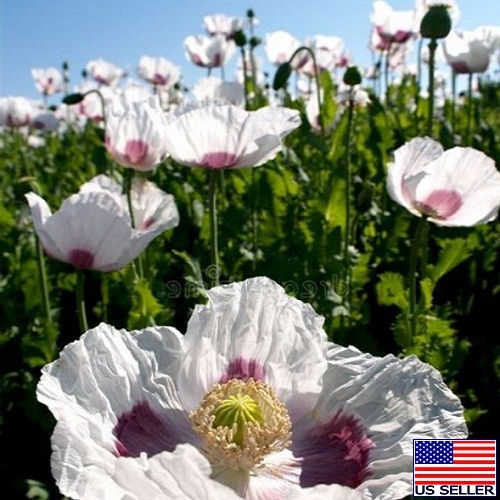
Across the rolling countryside of Tasmania, summer arrives not with loud fanfare but with a soft wash of color. Hillsides and valleys shift into shades of lavender, pearl pink, and pale mauve as the Tasmanian poppy comes into bloom. For a few weeks each year, the island transforms into a watercolor landscape—quiet, luminous, and unmistakably its own.
A Flower Shaped by Island Light
The Tasmanian poppy is a regional expression of Papaver somniferum, but its character is distinctly shaped by the island’s climate. Tasmania’s long summer days and cool nights encourage tall, elegant stems and large, silky petals that seem almost translucent in the sun.
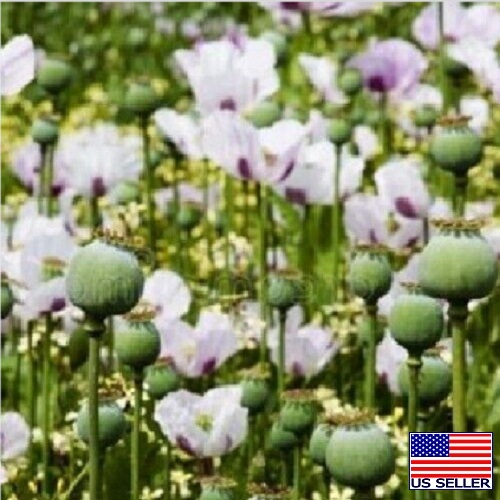
The flowers typically open in soft pastels—white, blush, lilac, or pale violet—each bloom lasting only a short time before the petals fall like tissue paper in the breeze. What remains is the iconic poppy capsule, a sculptural globe that stands proudly through late summer.
A Seasonal Spectacle
For locals, the blooming of the poppies is a seasonal marker as familiar as the arrival of spring wattle or the turning of autumn beech. Drivers pull over to photograph the fields; painters set up easels; photographers chase the perfect dawn light. The poppy bloom has become part of Tasmania’s visual identity, appearing in postcards, calendars, and regional art.
The fields are especially striking at sunrise, when mist hangs low and the petals catch the first warm light. In the evening, the flowers close slightly, giving the fields a softer, more muted tone.
A Plant with a Quiet Rhythm
Though grown on a large scale, the Tasmanian poppy follows the same gentle rhythm as any garden poppy:
- Seeds germinate in cool weather
- Plants form a rosette of blue‑green leaves
- Tall stems rise as summer approaches
- Blooms open for a brief, spectacular window
- Seed capsules mature and dry in the sun
The plants thrive in Tasmania’s well‑drained soils and maritime climate, which prevents the heat stress that can shorten the bloom period in warmer regions.
A Cultural and Aesthetic Icon
Over time, the Tasmanian poppy has become more than a crop—it’s a symbol of the island’s rural character. Artists depict it in watercolor and ink; local photographers capture its fleeting beauty; visitors plan trips around the bloom. Even residents who have seen the fields every year still pause to admire them.
The poppy’s presence also shapes the island’s wildlife scene. Bees adore the flowers, and the fields hum with activity during peak bloom. Birds perch on the drying pods later in the season, adding movement to the otherwise still landscape.
A Flower Worth Knowing
The Tasmanian poppy is a reminder that even plants grown on a grand scale can retain their elegance. It is a bloom of subtlety—never garish, always graceful—and it has become one of the most recognizable sights in the Southern Hemisphere’s summer tapestry.
Whether viewed from a roadside, a hilltop, or the window of a passing car, the Tasmanian poppy field is a moment of quiet beauty. It is Tasmania in bloom: soft, serene, and unforgettable.