Stratified Hens and Chicks Papaver Somniferum Poppy Seeds For Planting
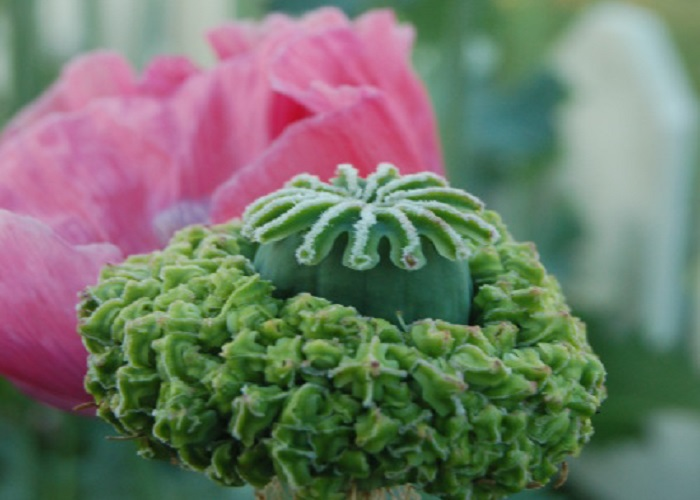
Hens and Chicks poppies are a distinctive form of Papaver somniferum—beloved for their extraordinary seed pods that resemble a mother hen surrounded by her chicks.
🌸 What Makes Hens and Chicks Poppies Unique
Hens and Chicks poppies are a breadseed poppy variety known for their unusual pod architecture: a large central capsule encircled by many smaller podlets. This “hen and chicks” formation is what makes the plant so prized by gardeners, florists, and dried‑flower artists.
The blooms themselves are typically silky pink with purple streaks, but the real show begins after the petals fall and the sculptural seed heads emerge.
🌱 Growth Habit and Appearance
- Botanical name: Papaver somniferum ‘Hens and Chicks’
- Height: 24–60 inches depending on conditions
- Bloom time: Late spring to early summer
- Zones: Hardy as a cool‑season annual in USDA Zones 2–11
- Flower colors: Pink to purple, sometimes deep red depending on strain
- Seed pods: Light green, rounded, and highly decorative—ideal for dried arrangements

🌿 How to Grow Hens and Chicks Poppies
🌞 Sun & Soil
- Full sun is essential for strong stems and pod development.
- Prefers well‑drained loam, though it tolerates poorer soils.
- Ideal soil pH: 6.0–7.5.
🌱 Sowing
- Surface‑sow seeds—light is required for germination.
- Best planted very early spring or late fall depending on climate.
- Germination: 7–21 days depending on temperature.
- Thin seedlings to 8–18 inches apart for full pod development.
💧 Watering & Care
- Keep soil moist during germination; mature plants become drought‑tolerant.
- Indoors, they need bright light within 1 ft of a sunny window.
- Avoid transplanting—poppies dislike root disturbance.
🌼 Uses in the Garden and Beyond
- Cut flowers: Long stems and dramatic pods make them florist favorites.
- Dried arrangements: Pods retain shape and color beautifully.
- Cottage gardens: Their old‑world charm fits perfectly in naturalistic plantings.
- Pollinator support: Flowers attract bees and butterflies.
🍞 Are the Seeds Edible?
Yes—like other breadseed poppies, the seeds are edible and can be used in baking. (Only the mature seeds—not other plant parts.)
🌾 Harvesting & Seed Saving
- Pods are ready when they turn brown and dry completely.
- Plants self‑sow readily, returning year after year if left undisturbed.
- Store saved seeds in a cool, dark, dry place.
Why Gardeners Love Them
Hens and Chicks poppies offer:
- A striking, alien‑like seed pod structure
- Easy, low‑maintenance growth
- Multi‑season interest (flowers → pods)
- High value for floral design
- A reliable self‑sowing habit
Characterized by its unique pod, this variety of Poppy Flower Seed will not disappoint in your garden! The Hens and Chicks Poppy somniferum features a single large seed head with clustered smaller heads around its base, as you may see a mother hen with her chicks. The somniferum poppy is prized for the amount of seed produced by individual pods, suitable for baking and making oils. However, this Poppy's culinary uses are overshadowed by the spectacular blooms it produces! The bloom itself flaunts large, paper thin lilac petals with dark purple center spots that will glow with color in sunlight.
Magenta flowers aside, the quirky seedpods are our favorite feature
Tall-growing annual with spectacular blooms
Open pollinated and easy to grow with purple Summer blooms
Poppy seeds require a cool period of 2-4 weeks to break dormancy, and some gardeners choose to cold stratify their seeds.
They’re one of the most visually captivating heirloom poppies you can grow.
Frequently Asked Questions
How do you germinate Hens and Chicks poppy seeds?
Sow Hens and Chicks poppy seeds directly onto the surface of the soil during late autumn or early spring. Do not cover the seeds with soil, as Papaver somniferum requires direct light exposure and a cold winter period to break dormancy and trigger germination.
What are the sun and soil requirements for Hens and Chicks poppies?
Hens and Chicks poppies require full sun exposure, needing at least 6 hours of direct sunlight daily to produce strong structural stems. They grow best in rich, sandy, well-draining loam with an optimal soil pH between 6.0 and 7.5.
Are Hens and Chicks poppy seeds organic and non-GMO?
Yes, our Hens and Chicks heirloom poppy seeds are 100% organic, non-GMO, raw, and untreated, cultivated naturally for traditional organic seed-savers and floral designers.
Do Hens and Chicks poppies come back every year?
Papaver somniferum is a cool-season hardy annual plant. While individual plants complete their lifecycle and die within one year, their unique multi-pod structures drop thousands of seeds, allowing them to self-seed and return naturally season after season.