Double Black Peony Poppies
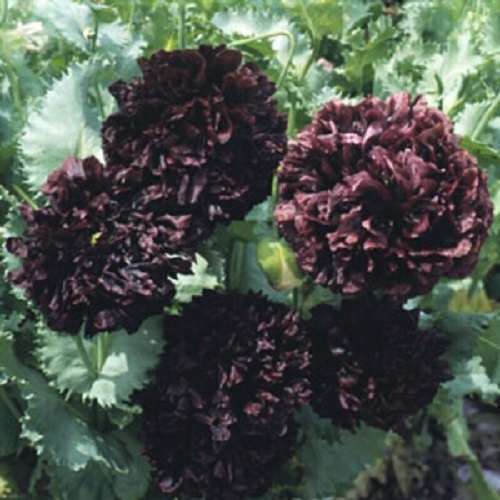
Double Black Peony Poppy Seeds — Archival Gothic Elegance
Introduce an air of rich, dramatic mystery to your landscape with our premium Double-Petaled Black Peony Poppy Seeds (Papaver somniferum var. paeoniflorum). This coveted heirloom cultivar produces magnificent, heavily-mutated floral globes packed with hundreds of densely layered, deeply ruffled petals. The coloring is an extraordinary, shifting shade of midnight—ranging from an intense, velvet-textured dark plum to near-total ink black under soft dawn light. Standing atop sturdy, glaucous gray-green structural stalks, these dark titans offer a arresting visual contrast when woven into classic romantic borders.
Product Features
- Dense Peony-Style Architecture — Luxuriously packed, double-petaled crowns completely hide the inner seed pods, perfectly mimicking the look of old-world herbaceous peonies.
- Shifting Midnight Hues — Deep, light-absorbing shades of dark plum, maroon, and velvet charcoal-black that provide unmatched contrast in monochromatic gardens.
- Striking Structural Foliage — Broad, wavy-edged, intensely glaucous (waxy, powder-blue-green) leaves embrace the thick 32–40 inch stems for an architectural look before blooming.
- Premium Decorative Pods — Following the floral display, the petals drop away cleanly to reveal massive, chalky-blue, crown-topped seed vessels prized for dried arrangements.
- Pure, Open-Pollinated Strain — Completely untreated, non-GMO, stable heritage lines that allow for reliable annual seed saving and collection.

Growing Information
Peony poppies are resilient annuals that thrive under cool-weather establishment cycles:
- Sunlight: Requires uncompromised full sun to support the substantial weight of the dense, double-petaled flower crowns.
- Soil: Prefers loamy, highly friable, lean-to-average soils with sharp, unimpeded drainage. Heavy soils should be amended to prevent root rot.
- Water: Provide moderate, steady moisture throughout spring leaf expansion; keep watering minimal once flowering buds begin to open.
- Sowing: Best sown in late autumn, winter, or early spring directly onto a finely prepared, weed-free soil surface. Surface-sow only—seeds require light to sprout.
- Stratification: Benefits significantly from standard winter cold cycles (natural stratification) to ensure uniform, high-density spring germination.
Because *Papaver somniferum* varieties establish an unbranched, deep vertical taproot early in their lifecycle, they strongly dislike root disturbance. Direct sowing on location guarantees the straightest, strongest flowering stems.
Ideal For
- Moody, dramatic gothic garden designs or monochrome black-and-white borders
- Traditional cottage gardens seeking old-world textured accents
- Floral arrangements utilizing fresh, sear-tipped blossoms or dried decorative seed heads
- Early-season structural contrast against emerging summer perennials
- Creating unique, architectural focal points in sunny, well-draining garden beds
Why Gardeners Love This Variety
The Double Black Peony Poppy offers an unforgettably dramatic performance. Its waxy, powder-blue foliage provides a cool, clean base that makes the massive, ink-dark double blooms appear to float in mid-air. Once the early summer wind strips away the silk-like ruffles, you are left with an equally beautiful harvest of giant, crown-capped pods that keep your garden looking structured and architectural all through autumn.
No, Black Peony Poppies are hardy annuals (*Papaver somniferum*). They complete their entire beautiful life cycle within a single season. However, because they produce massive quantities of seed in their large decorative pods, they will easily and reliably self-sow in your garden beds every year if you leave a few pods to burst open naturally in late summer.
While our seeds are carefully selected from isolated, heavily doubled parental lines, environmental stressors can occasionally trigger reversion. If the plants experience extreme heat waves, crowding, poor soil nutrition, or a lack of direct sunlight during the critical spring bud-forming stage, they may produce single or semi-double blossoms instead of fully packed globes.
Yes, though they require a quick trick to last in a vase. Cut the stems in the early morning just as the tight buds show their dark color and begin to split. Immediately sear the cut bottom of the stem using a lighter flame or dip it into boiling water for 10 seconds. This seals the white, milky latex sap inside, allowing the stem to take up water and hold the heavy bloom upright for several days.
Wait until mid-to-late summer when the green pods turn a dusty, waxy brown or chalky silver-tan color, and the small vents directly under the crown top begin to pop open. When you can shake the stem and hear the seeds rattling inside like a maraca, cut the stems cleanly at your desired length and hang them upside down in a warm, dark, dry room.
The Botanical Legacy and Cultivation of Double Black Peony Poppies (Papaver somniferum)
The Double Black Peony Poppy (Papaver somniferum) is a dramatic, moody masterpiece that brings a sense of high-contrast elegance to the garden. Known for its deeply saturated, almost-black violet petals and dense, ruffled, peony-like blooms, this variety is a favorite among heirloom gardeners for its aesthetic impact and ease of growth.
Botanical Characteristics and Ecology
While many poppies are known for their transient nature, the Double Black Peony Poppy is prized for its substantial, multi-petaled structure.
Morphology: The plants produce sturdy, upright stalks topped with large, spherical buds that unfurl into complex, layered blossoms. The "double" refers to the extra rows of petals, which create a full, rounded appearance reminiscent of heritage peonies.
The Color Palette: The deep, dusky burgundy-black pigment is a result of high anthocyanin concentration. In the landscape, these dark blooms act as a focal point, providing a striking contrast to lighter, airier perennials like daisies or white columbines.
Seed Pods: After the petals drop, the plant leaves behind large, ornamental seed pods. These are highly valued in the craft community for dried floral arrangements and provide a secondary season of interest long after the flowering period concludes.
Historical and Cultural Context
Poppies have been cultivated for thousands of years, and Papaver somniferum is arguably one of the most storied species in botanical history.
Ancient Heritage: Archaeological evidence shows that various poppy varieties have been part of human agricultural practice since the Neolithic era. They have been featured in the art, literature, and folklore of civilizations ranging from Ancient Egypt to the empires of the East.
The Heirloom Tradition: By preserving varieties like the Double Black Peony, gardeners keep alive a genetic lineage that has been passed down through generations. These seeds represent a legacy of selective breeding focused on bloom density and color intensity.
Symbolism: Throughout history, the poppy has carried multifaceted meanings, representing everything from peace and remembrance to prosperity and the mystery of the natural world.
Cultivation and Horticultural Management
Double Black Peony Poppies are famously forgiving for those who understand their specific germination triggers.
Sunlight Needs: These poppies are true sun-worshippers. They require full, direct sun to produce the deep pigment in their petals and to keep their stalks strong.
The Germination Secret: Poppy seeds require light to germinate. Do not cover them with soil. Broadcast them onto prepared, fine soil and press them down firmly to ensure seed-to-soil contact.
Soil Parameters: They prefer well-draining, moderately fertile soil. Avoid overly heavy clay or waterlogged sites, as the roots are sensitive to stagnant moisture.
Direct Sowing: Because they possess a sensitive taproot, these poppies do not transplant well. It is best to direct-sow them in early spring or, in milder climates, in the late autumn for early spring blooms.
More FAQs
| Question | Answer |
| Why is my poppy not blooming? | Lack of sunlight is the most common culprit. Poppies require at least 6 to 8 hours of direct, full sun to initiate flowering. |
| Do I need to bury poppy seeds? | No. Poppy seeds are photosensitive and require direct exposure to light to trigger germination. Simply press them into the surface of the soil. |
| Can I transplant poppies? | Poppies develop a long taproot and are notoriously difficult to move. It is highly recommended to direct-sow seeds in the permanent growing location. |
| What do I do with poppy pods? | After the petals fall, allow the pods to dry on the stalk if you wish to collect seeds for next year, or harvest them once they are firm and tan for use in dried floral displays. |
Back To Our Main Page