Chrome Queen California Poppy Seeds

Chrome Queen California Poppy Seeds — Heirloom Luminous Sulphur Selection
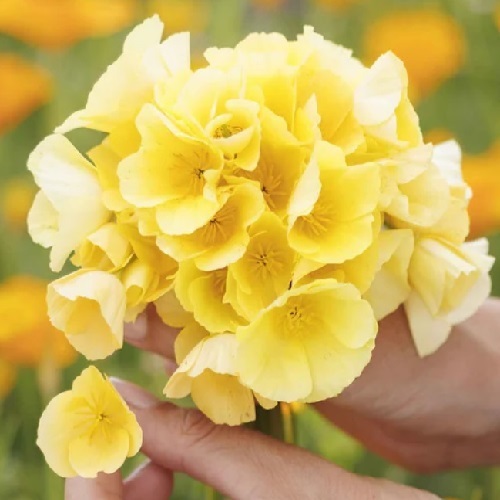
Introduce an ethereal, brilliant wash of cool-toned brilliance to your garden plots with Chrome Queen California Poppy Seeds, a distinctive and sought-after color selection of Eschscholzia californica. Departing completely from the typical hot-orange wildflower varieties, this heirloom selection is treasured for its clean, luminous sulphur-yellow to soft lemon-gold blossoms. The silky, wide-faced petals catch natural light beautifully, creating a gleaming effect across low-water borders and sweeping pathways.
Product Features
- Luminous Sulphur-Yellow Blooms — Clean, single-toned pale yellow blossoms provide a sophisticated alternative to wild orange selections.
- Sun-Sensitive Petals — Naturally interactive blooms that expand wide during sunny afternoons and tuck closed during cloudy periods and evening hours.
- Feathery, Silver-Blue Foliage — Intricate, lacy mounds reach 10–16 inches in height, offering a cool, metallic structural base for the sunny flowers.
- Prolific Seasonal Flush — Blooms heavily in the cool morning air of late spring and continues into late summer, setting a steady rhythm of color.
- Exceptional Xeric Adaptation — Exceptionally tough and self-reliant; thrives effortlessly in lean, sandy, rocky, or unamended native soils.
Growing Information
Chrome Queen California poppies establish directly with minimal effort, flourishing under simple conditions:
- Sunlight: Total, baking full sun exposure
- Soil: Poor, sandy, rocky, gravelly, or fast-draining lean earth
- Water: Low to moderate requirements; highly water-wise after root establishment
- Planting: Direct surface-sow in early spring or late autumn—press light into place but do not cover, as seeds require light to wake up
- Germination: Sprout appearance within 10–14 days in mild, cool weather climates
Because they put down a sensitive, long vertical taproot that resents shifting or handling, direct sowing precisely where they are to mature is critical for success.
Ideal For
- Drought-tolerant garden beds and xeric borders
- Cottage designs and open, naturalized meadowscapes
- Gravel pathways, rock gardens, and thin-soil pockets
- Pollinator corridors (abundantly visited by beneficial native bees)
- Reliable cool-season annual self-sowing cycles
Why Gardeners Love This Variety
The Chrome Queen variety brings a refined, **architectural cool-toned presence into harsh, hot garden situations**. Free from high maintenance demands, these poppies thrive on neglect while delivering an elegant color value that feels thoroughly considered, curated, and classic.

To germinate Chrome Queen California Poppy seeds, sow them directly outdoors in late fall or early spring onto a raked, weed-free soil surface. Press the fine seeds lightly to establish contact with the ground, but do not bury them with dirt or compost. These seeds require full exposure to ambient outdoor light to break dormancy and sprout, which typically happens within 10 to 14 days under cool temperatures.
While they can be grown in deep terracotta or fabric containers with outstanding drainage, they perform best when direct-sown into the ground. Their early-developing taproot system grows straight down and quickly binds up or becomes stunted in shallow or restrictive containers, which can limit the plant's overall bloom time and lifespan.
In mild, winter-dry Mediterranean climates (USDA zones 8 through 10), Chrome Queen poppies can act as short-lived perennials. However, in most climates, they are grown as reliable hardy annuals. They bloom swiftly in their first season and drop plenty of seed pods in late summer, ensuring a naturalized return of sulphur-yellow blooms next season via self-sowing.
This is a completely natural botanical trait called nyctinasty. California Poppies respond strictly to sunlight; their petals unfold on bright, clear days to attract pollinators and close tightly at night, during dark rainstorms, or on heavily overcast afternoons to protect their pollen from moisture damage.
Back To Our Main Page