Heirloom Blue Moon Stratified Papaver Somniferum Poppy Seeds
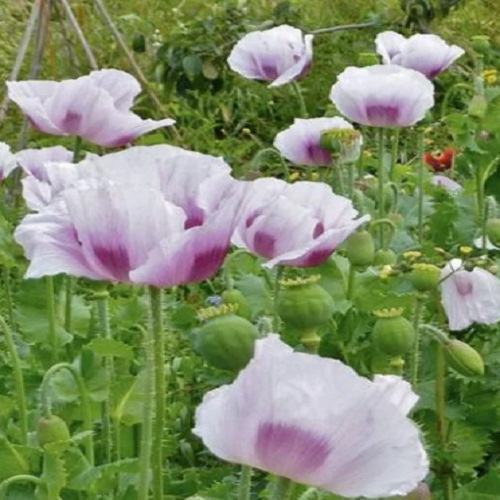
The Ethereal Elegance of the 'Blue Moon' Poppy
If you are looking to inject a touch of moonlit drama into your garden, few plants can rival the sheer, translucent beauty of the 'Blue Moon' Poppy (Papaver somniferum). Often referred to as a breadseed poppy, this heirloom annual produces striking, delicate blossoms that look almost as if an artist delicately brushed watercolors across their petals.
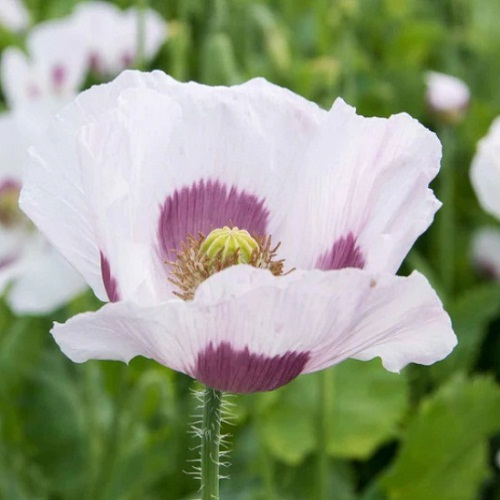
What Makes 'Blue Moon' Special?
Unlike the classic fiery red poppies of Flanders fields, the 'Blue Moon' variety offers a cooler, more mysterious palette. The large, single-petaled flowers bloom in shades of pale lavender-pink to stark white, but their defining feature is the dramatic, ink-like blue-purple brushstroke right at the base of each petal.
When the sun sets, or under a bright moon, these light petals appear to softly glow against their stark, silvery-blue ruffled foliage.
Beyond their brief but spectacular floral display, they are a hard-working, multi-purpose addition to the garden landscape:
Pollinator Magnets: Bees and butterflies flock to the pollen-rich centers.
Ornamental Seed Pods: Once the papery petals fall away, they leave behind gorgeous, architectural seed heads. These large crown-topped pods are highly sought after for dried floral arrangements and crafts.
Culinary Reward: As a breadseed variety, the pods fill up with small, nutty, edible blue seeds perfect for baking into breads, lemon-poppy muffins, or pastries.
Quick Plant Profile
| Attribute | Details |
| Scientific Name | Papaver somniferum 'Blue Moon' |
| Plant Type | Hardy Annual |
| Height | 2 to 3 feet |
| Sun Exposure | Full sun |
| Soil Preference | Rich, well-draining soil |
| Bloom Time | Late spring to mid-summer |
| Special Qualities | Deer and rabbit resistant; drought tolerant once established |
How to Grow 'Blue Moon' Poppies
Poppies have a reputation for being incredibly delicate, but they are actually quite hardy and low-maintenance—provided you follow one golden rule.
The Golden Rule: Never try to transplant them. Poppies develop a fragile taproot system early on. Moving them usually ends in heartbreak. Always sow them directly exactly where you want them to bloom.
Cultivation Steps
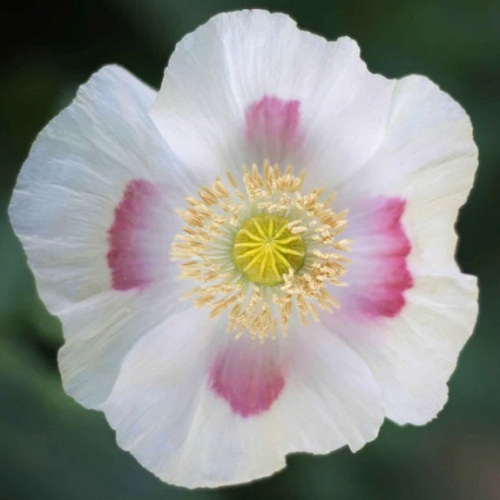
Poppy seeds need a period of cold to break dormancy. Scatter your seeds outside in the late autumn (where they will sit through the winter freeze) or very early spring as soon as the soil can be worked.
Pick a spot with full sun. Clear away weeds and lightly rake the surface of the soil. Poppies love recently disturbed, well-draining ground.
Scatter the tiny seeds sparingly. Crucially, do not cover them with soil. Poppy seeds require light to germinate. Simply press them gently into the earth with your hand or cardboard so they make good contact.
Once they sprout—looking a bit like fuzzy baby lettuce—thin the seedlings out so they are spaced about 6 to 12 inches apart. Crowded poppies will stunt each other, resulting in smaller flowers.
Once established, 'Blue Moon' poppies are remarkably self-sufficient. They don't need heavy fertilizers, and they tolerate dry spells well. Best of all, if you leave a few seed pods intact at the end of summer, they will happily self-sow, ensuring a fresh wave of moonlit blooms returns to your garden year after year.

Frequently Asked Questions
What are Blue Moon Poppies?
The Blue Moon Poppy is an ethereal heirloom breadseed variety of Papaver somniferum. It features translucent, single-petaled blossoms blooming in shades of pale lavender-pink to bright white, highlighted by a stark, signature deep blue-purple brushstroke at the base of each inner petal.
Do Blue Moon Poppy seeds need to be buried when sowing?
No, you must not bury them. Blue Moon Poppy seeds require direct sunlight to break dormancy and trigger germination. They should be surface sown by scattering them over lightly raked, damp earth and pressed firmly into the ground without adding a topsoil covering.
Why are these seeds labeled as cold stratified?
Papaver somniferum seeds naturally require a cold cycle to break internal dormancy. Sowing these pre-stratified seeds in late autumn or very early spring allows them to sync perfectly with seasonal temperature changes, optimizing strong germination rates.
Can you transplant Blue Moon Poppy seedlings safely?
Transplanting is highly discouraged. Poppies quickly develop a sensitive, fragile taproot system early in their lifecycle. Disturbing this root base usually causes severe shock or plant failure, which is why direct scattering on the final growing location is highly recommended.
Our Main Page
Copyright 2017–2026 Heirloomsnhybrids. All Rights Reserved.