Texas Bluebonnet Seeds
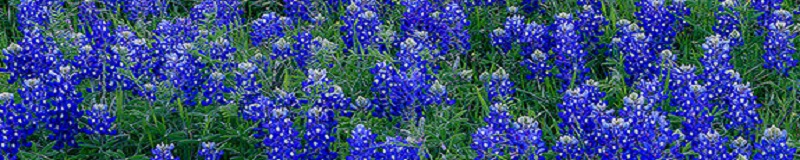
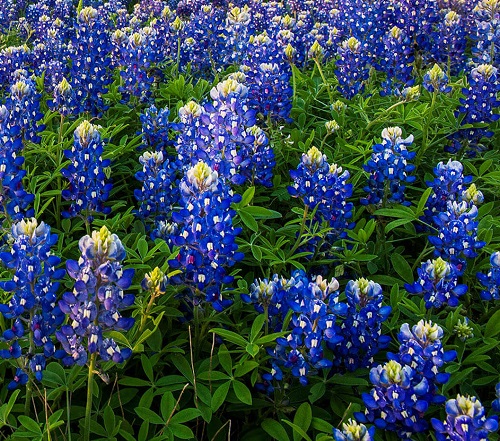
Texas Bluebonnet (Lupinus texensis) is one of the most iconic American wildflowers, celebrated for its deep blue spires, sweet fragrance, and early spring bloom. A symbol of natural beauty, Bluebonnets thrive in lean soil, full sun, and open meadows—creating sweeping carpets of blue that define classic wildflower landscapes.
What is Texas Bluebonnet?
A hardy cool-season annual frequently highlighted in gardening guides for its drought tolerance, rapid growth, and ability to naturalize in open fields. Bluebonnets are legumes, improving soil fertility while producing dense clusters of pea-like flowers adored by pollinators.
Why gardeners choose it:
• Iconic blue spires with white tips
• Thrives in lean, well-drained soil
• Excellent for meadows, borders, and naturalized plantings
• Attracts bees, butterflies, and beneficial insects
• Drought tolerant once established
• Lightly self-sows for future spring displays
Growth Habit: Upright cool-season annual
Bloom Colors: Deep blue with white accents
Height: 12–24 inches
Sun Requirement: Full Sun
Sowing Depth: 1/8 inch
Planting Instructions:
• Scarify seeds lightly (nick or rub with sandpaper) to improve germination.
• Direct‑sow in fall or very early spring for strongest plants.
• Cover seeds 1/8 inch deep in lean, well-drained soil.
• Germination occurs in 10–25 days depending on temperature.
• Space plants 6–10 inches apart for dense, upright growth.
• Avoid rich soil—Bluebonnets prefer low fertility.
• Water lightly during establishment; drought tolerance increases with maturity.
Best uses and growing tips:
• Ideal for meadows, roadside-style plantings, and wildflower borders.
• Combine with Indian paintbrush, coreopsis, and gaillardia for classic wildflower mixes.
• Avoid overwatering—Bluebonnets dislike soggy soil.
• Allow seed pods to mature for natural reseeding.
• Plant in full sun for maximum bloom density and color.
Ecological and pollinator value:
• Attracts bees, butterflies, and early-season pollinators.
• Improves soil fertility as a nitrogen-fixing legume.
• Supports meadow ecosystems and naturalized landscapes.
Copyright 2017–2026 Heirloomsnhybrids. All Rights Reserved.
