Shasta Daisy Seeds
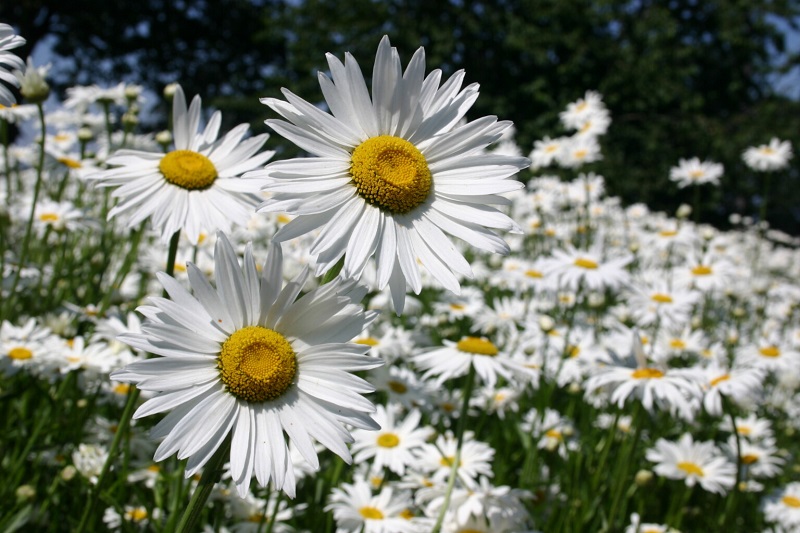
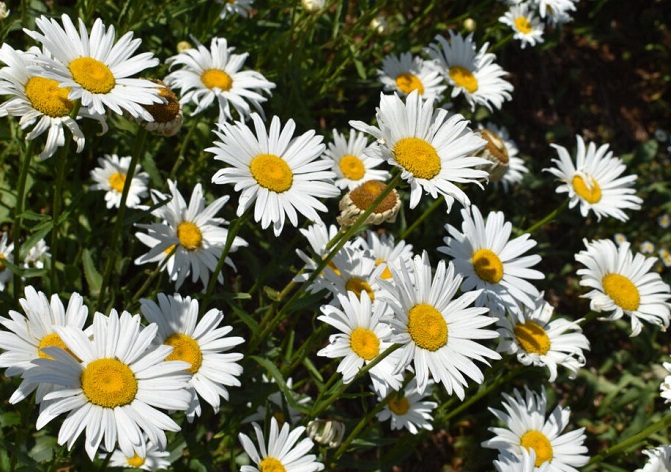
Shasta Daisy (Leucanthemum × superbum) is a classic perennial beloved for its crisp white petals, sunny golden centers, and long-lasting summer blooms. With sturdy stems, glossy foliage, and reliable performance, Shasta Daisy is a foundational plant in cottage gardens, borders, pollinator plantings, and perennial landscapes.
What is Shasta Daisy?
A hybrid perennial frequently highlighted in gardening guides for its durability, extended bloom season, and iconic daisy appearance. Shasta Daisy was originally bred for improved vigor and larger blooms, making it one of the most dependable white-flowering perennials available.
Why gardeners choose it:
• Classic white-and-gold daisy blooms
• Long summer flowering period
• Excellent cut flowers with long stems
• Attracts bees, butterflies, and beneficial insects
• Hardy perennial that returns reliably
• Thrives in full sun and well-drained soil
Growth Habit: Upright perennial
Bloom Colors: White petals with golden centers
Height: 18–36 inches
Sun Requirement: Full Sun
Sowing Depth: Surface-sown or lightly covered
Planting Instructions:
• Start Shasta Daisy seeds indoors 6–10 weeks before the last frost.
• Press seeds onto the soil surface or cover lightly (1/16–1/8 inch).
• Keep soil evenly moist; germination occurs in 10–20 days.
• Provide bright light to prevent leggy seedlings.
• Transplant outdoors after frost into full sun and well-drained soil.
• Space plants 12–18 inches apart for sturdy, upright growth.
• Deadhead spent blooms to encourage continued flowering.
• Divide clumps every 2–3 years to maintain vigor.
Best uses and growing tips:
• Ideal for cottage gardens, perennial borders, and pollinator plantings.
• Excellent cut flower—harvest when blooms are fully open.
• Combine with coneflower, yarrow, and black-eyed Susan for extended summer color.
• Avoid overly rich soil—lean soil encourages stronger stems.
• Mulch lightly to retain moisture without creating soggy conditions.
Ecological and pollinator value:
• Attracts bees, butterflies, hoverflies, and beneficial insects.
• Provides nectar and pollen during peak summer months.
• Adds structure and brightness to pollinator-friendly landscapes.
Copyright 2017–2026 Heirloomsnhybrids. All Rights Reserved.
