Rose Mallow Seeds
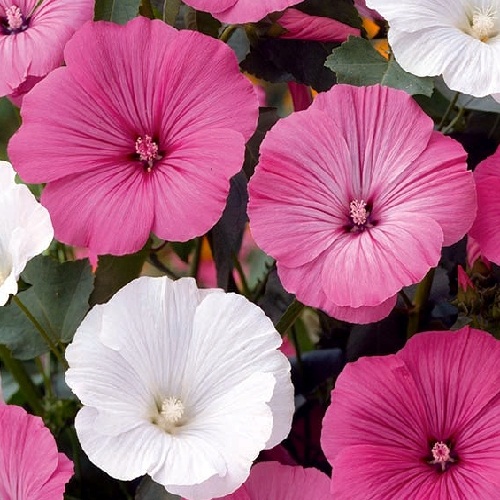
Rose Mallow (Hibiscus moscheutos) is a bold, moisture-loving perennial known for its massive dinner‑plate flowers, lush foliage, and tropical summer presence. Blooming in shades of pink, rose, red, white, and bicolors, Rose Mallow creates unforgettable displays in borders, wetlands, and high-impact perennial beds.
What is Rose Mallow?
A hardy perennial hibiscus frequently highlighted in gardening guides for its enormous blooms, vigorous growth, and ability to thrive in moist soils. Rose Mallow is native to wetlands and river edges, making it ideal for gardens with consistent moisture or areas near ponds and streams.
Why gardeners choose it:
• Enormous 6–12 inch blooms
• Tropical appearance with hardy perennial reliability
• Thrives in moist soil and wet borders
• Attracts hummingbirds, bees, and butterflies
• Long summer bloom season
• Dramatic focal point for any garden
Growth Habit: Upright perennial shrub
Bloom Colors: Pink, rose, red, white, and bicolors
Height: 3–7 feet
Sun Requirement: Full Sun
Sowing Depth: 1/4 inch
Planting Instructions:
• Scarify Rose Mallow seeds lightly for improved germination.
• Sow 1/4 inch deep in moist, well-drained soil.
• Germination occurs in 14–28 days under warm conditions.
• Provide full sun and consistent moisture—Rose Mallow thrives in damp soil.
• Transplant outdoors after frost; space plants 24–36 inches apart.
• Mulch heavily to retain moisture and keep roots cool.
• Cut stems back in late fall or early spring to encourage vigorous new growth.
Best uses and growing tips:
• Ideal for wet borders, pond edges, and moisture-rich perennial beds.
• Combine with Joe-Pye weed, swamp milkweed, and cardinal flower for wetland-style plantings.
• Provide full sun for maximum bloom size and color intensity.
• Water regularly—Rose Mallow dislikes drought.
• Stake only if plants are exposed to strong winds.
Ecological and pollinator value:
• Attracts hummingbirds, bees, and butterflies.
• Provides nectar during peak summer months.
• Supports wetland ecosystems and moisture-loving pollinators.
Copyright 2017–2026 Heirloomsnhybrids. All Rights Reserved.
