Rocket Larkspur Seeds
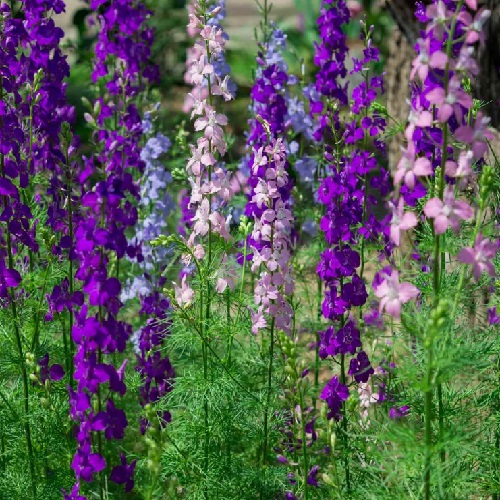
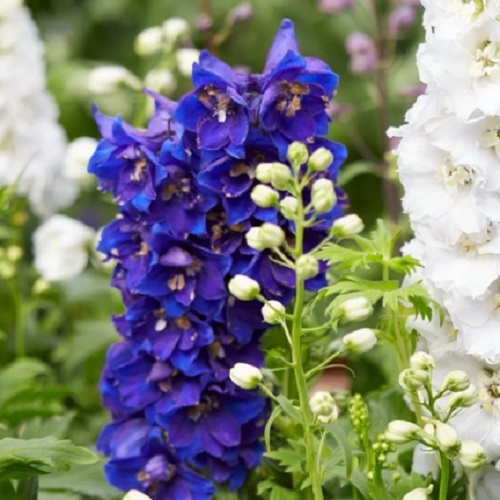
Rocket Larkspur (Delphinium consolida) is a cool‑season annual known for its tall, dramatic flower spires, rich jewel‑tone colors, and classic cottage‑garden elegance. Blooming in shades of blue, purple, pink, rose, lavender, and white, Rocket Larkspur creates vertical accents that transform borders, meadows, and early‑summer displays.
What is Rocket Larkspur?
A traditional larkspur strain frequently highlighted in gardening guides for its height, vigor, and reliable cool‑season performance. Rocket Larkspur is closely related to delphinium but easier to grow from seed, making it a favorite for gardeners seeking tall, stately blooms without the fuss.
Why gardeners choose it:
• Tall spires ideal for cottage gardens and meadows
• Excellent cut flowers with long stems
• Cool‑season growth for early color
• Attracts bees, butterflies, and beneficial insects
• Can self‑sow lightly for naturalized drifts
Growth Habit: Upright annual with tall spires
Bloom Colors: Blue, purple, pink, rose, lavender, white
Height: 24–48 inches
Sun Requirement: Full Sun
Sowing Depth: Surface‑sown or lightly covered
Planting Instructions:
• Rocket Larkspur prefers cool weather—sow seeds in fall or very early spring.
• Seeds germinate best with cold exposure; fall sowing often gives strongest plants.
• Press seeds onto the soil surface or cover lightly (1/16–1/8 inch).
• Keep soil evenly moist until germination (14–28 days).
• Thin or transplant seedlings to 8–12 inches apart for tall, sturdy stems.
• Provide full sun and well‑drained soil; avoid soggy conditions.
• Support may be needed in windy areas for the tallest plants.
Best uses and growing tips:
• Ideal for cottage gardens, meadows, and spring borders.
• Excellent cut flower—harvest when lower blooms begin to open.
• Combine with poppies, bachelor’s buttons, and early annuals for layered color.
• Avoid high heat; plants decline in midsummer.
• Allow some plants to seed for naturalized drifts.
Ecological and pollinator value:
• Attracts bees, butterflies, and early‑season pollinators.
• Provides nectar during cooler months when few annuals bloom.
• Adds height and structure to pollinator‑friendly plantings.
Copyright 2017–2026 Heirloomsnhybrids. All Rights Reserved.
