Painted Daisy Seeds
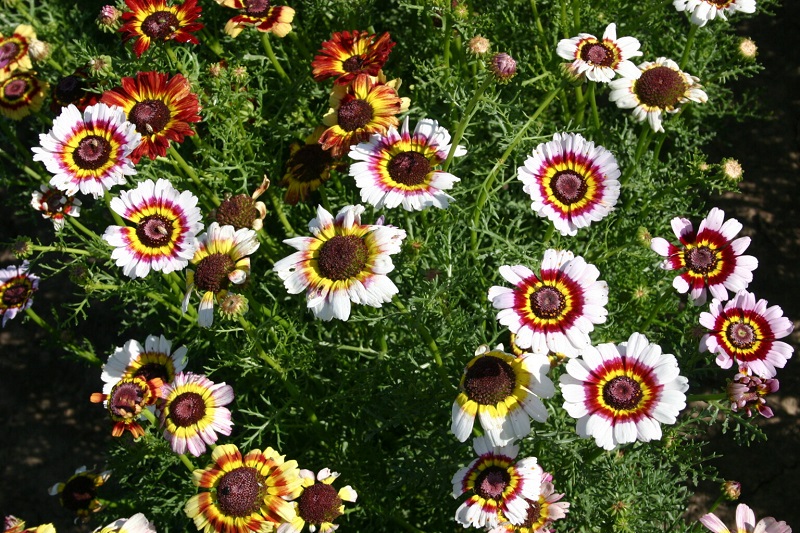
Painted Daisy (Tanacetum coccineum) is a hardy perennial known for its vivid daisy blooms in shades of red, rose, pink, white, and bicolors. With fern-like foliage and upright stems, Painted Daisy brings bold color and classic charm to borders, pollinator gardens, and cut-flower displays. Its long-lasting blooms and sturdy habit make it a favorite in cottage gardens and perennial beds.
What is Painted Daisy?
A traditional perennial frequently highlighted in gardening guides for its bright, cheerful flowers and reliable performance. Painted Daisy is closely related to feverfew and chrysanthemum, sharing their daisy-like blooms but offering a wider range of vivid colors. It thrives in full sun, tolerates lean soil, and produces excellent cut flowers with long stems and vibrant petals.
Why gardeners choose it:
• Vivid daisy blooms in multiple bright colors
• Excellent cut flowers with long-lasting petals
• Hardy perennial that returns reliably
• Attracts bees, butterflies, and beneficial insects
• Fern-like foliage adds texture to borders
• Thrives in full sun and well-drained soil
Growth Habit: Upright perennial
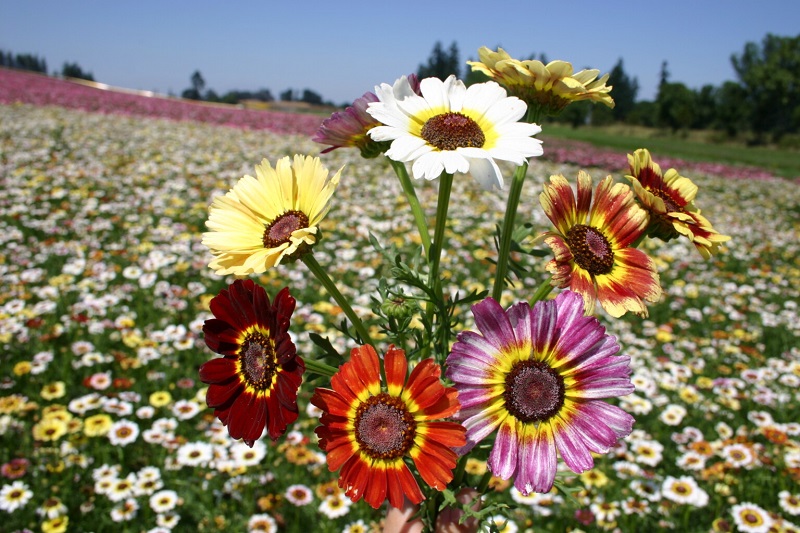
Bloom Colors: Red, pink, rose, white, and bicolors
Height: 18–30 inches
Sun Requirement: Full Sun
Sowing Depth: Surface-sown or lightly covered
Planting Instructions:
• Start Painted Daisy seeds indoors 6–10 weeks before the last frost.
• Press seeds onto the soil surface or cover lightly (1/16–1/8 inch).
• Keep soil evenly moist until germination (10–20 days).
• Provide bright light and good airflow for seedlings.
• Transplant outdoors after frost into full sun and well-drained soil.
• Space plants 12–18 inches apart for upright, sturdy growth.
• Deadhead spent blooms to encourage continued flowering.
• Cut back stems in fall or early spring to refresh plants.
Best uses and growing tips:
• Ideal for cottage gardens, perennial borders, and pollinator plantings.
• Excellent cut flower—harvest when blooms are fully open.
• Combine with yarrow, coreopsis, and coneflower for extended summer color.
• Avoid heavy fertilization—lean soil encourages stronger stems.
• Mulch lightly to retain moisture without creating soggy conditions.
Ecological and pollinator value:
• Attracts bees, butterflies, and hoverflies.
• Provides nectar during early summer.
• Adds structure and color to pollinator-friendly landscapes.
Copyright 2017–2026 Heirloomsnhybrids. All Rights Reserved.
