Marsh Mallow Seeds
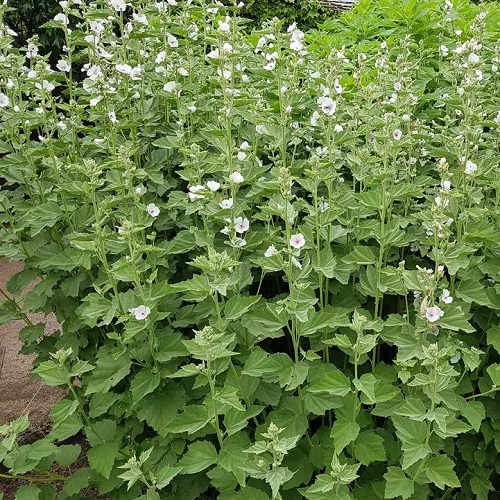
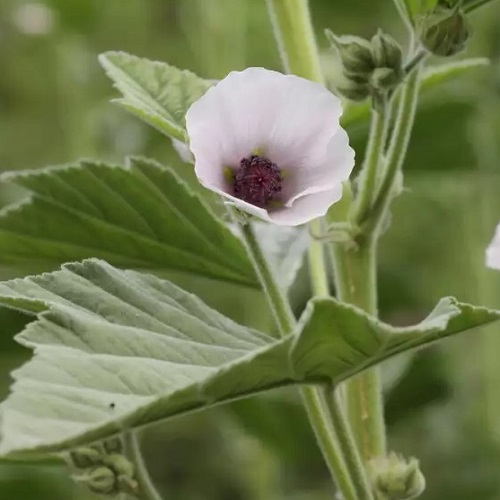
Marsh Mallow (Althaea officinalis) is a traditional medicinal herb known for its soft pink blooms, velvety leaves, and soothing mucilaginous roots. Historically used in herbal medicine and early confectionery, this tall, graceful perennial thrives in moist soils and attracts pollinators with its gentle, hibiscus-like flowers.
What is Marsh Mallow?
A classic apothecary herb frequently highlighted in gardening guides for its medicinal roots, gentle floral display, and adaptability to moist garden sites. Marsh Mallow is a member of the mallow family, closely related to hollyhocks and hibiscus, sharing their upright habit and soft-textured foliage. Its roots were once used to make the original marshmallow confection.
Why gardeners choose it:
• Soft pink blooms with a calm, cottage-garden charm
• Historically important medicinal herb
• Excellent for herb gardens, apothecary beds, and pollinator plantings
• Tolerates moist soils and thrives near ponds or damp borders
• Attracts bees, butterflies, and beneficial insects
• Long-lived perennial with proper moisture
Growth Habit: Upright perennial herb
Bloom Colors: Soft pink to pale lavender
Height: 36–60 inches
Sun Requirement: Full Sun to Partial Shade
Sowing Depth: Surface-sown or lightly covered
Planting Instructions:
• Marsh Mallow seeds benefit from cold stratification—refrigerate 2–4 weeks before sowing.
• Sow on the soil surface or cover lightly (1/16–1/8 inch).
• Use moist, well-drained soil; Marsh Mallow prefers consistent moisture.
• Germination may take 14–28 days; keep soil evenly moist.
• Transplant outdoors after frost into full sun or partial shade.
• Space plants 18–24 inches apart for tall, airy growth.
• Water regularly during establishment; plants tolerate damp conditions well.
• Cut back old stems in late winter or early spring to encourage new growth.
Best uses and growing tips:
• Ideal for herb gardens, medicinal beds, cottage borders, and moist areas.
• Excellent near ponds, streams, or damp garden edges.
• Combine with hollyhocks, valerian, and meadowsweet for traditional apothecary plantings.
• Avoid overly dry soil—Marsh Mallow thrives with steady moisture.
• Harvest roots in fall of the second or third year for herbal use.
Medicinal and historical value:
• Roots contain soothing mucilage used traditionally for teas, syrups, and salves.
• Historically used to create the original marshmallow confection.
• Leaves and flowers are also used in herbal preparations.
Pollinator and ecological value:
• Flowers attract bees, butterflies, and hoverflies.
• Provides nectar during mid-summer when many herbs are not in bloom.
• Tall stems add structure to moist meadows and herb gardens.
Copyright 2017–2026 Heirloomsnhybrids. All Rights Reserved.
