Vera Lavender Seeds
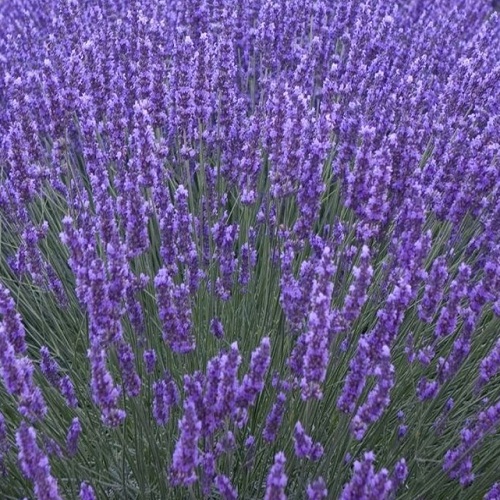
Vera Lavender (Lavandula angustifolia) is the classic English lavender variety known for its high essential‑oil content, fragrant purple flower spikes, and compact, evergreen foliage. This heirloom strain is prized for aromatherapy, herbal use, pollinator support, and ornamental beauty in borders, herb gardens, and dry landscapes.
What is Vera Lavender?
A traditional English lavender frequently highlighted in gardening guides for its superior fragrance, cold hardiness, and versatility. Vera is considered one of the purest forms of L. angustifolia, producing rich essential oils used in soaps, sachets, oils, and culinary blends. Its tidy growth habit and long bloom season make it a staple in herb gardens and cottage landscapes.
Why gardeners choose it:
• Highly fragrant blooms ideal for drying and aromatherapy
• Evergreen, compact growth habit
• Excellent for borders, herb gardens, and pollinator plantings
• Drought tolerant once established
• Attracts bees, butterflies, and beneficial insects
• Long-lived perennial with proper drainage
Growth Habit: Compact perennial shrub
Bloom Colors: Purple to lavender-blue
Height: 18–24 inches
Sun Requirement: Full Sun
Sowing Depth: Surface-sown or lightly covered
Planting Instructions:
• Lavender seeds benefit from cold stratification—refrigerate seeds 2–4 weeks before sowing.
• Sow on the soil surface or cover lightly (1/16–1/8 inch).
• Use a well-drained, sandy mix; lavender dislikes heavy, wet soil.
• Germination may take 14–28 days and can be slow—patience is key.
• Provide bright light and good airflow for seedlings.
• Transplant outdoors after frost into full sun and well-drained soil.
• Water sparingly once established; lavender prefers dry conditions.
• Prune lightly after flowering to maintain shape and encourage new growth.
Best uses and growing tips:
• Ideal for herb gardens, cottage borders, rock gardens, and dry landscapes.
• Excellent for drying—harvest when buds are swollen but not fully open.
• Combine with rosemary, sage, and thyme for Mediterranean-style plantings.
• Avoid overwatering; lavender thrives in lean, sandy soil.
• Mulch with gravel or small stone to improve drainage and reduce humidity.
Aromatherapy and herbal value:
• Vera Lavender is prized for its calming essential oils.
• Flowers are used in sachets, teas, oils, soaps, and potpourri.
• Its fragrance is stronger and more refined than many modern hybrids.
Pollinator and ecological value:
• Lavender attracts bees, butterflies, and hoverflies.
• Provides nectar during warm months when pollinators are most active.
• Evergreen foliage offers structure and habitat in winter gardens.
Copyright 2017–2026 Heirloomsnhybrids. All Rights Reserved.
