Echinacea Seeds
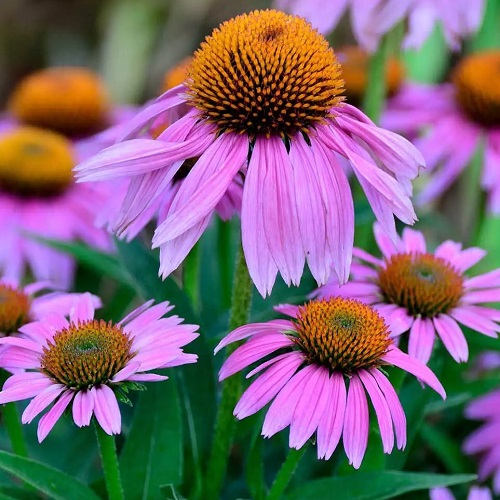
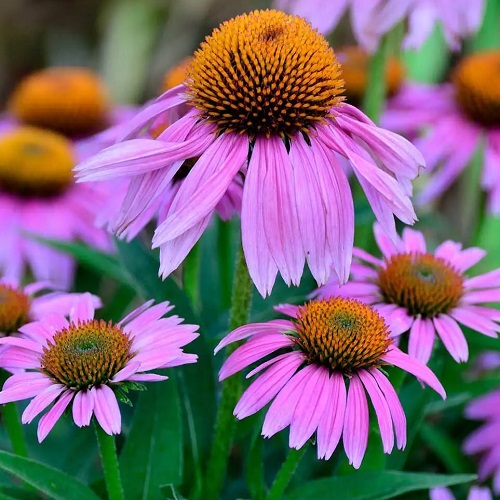
Echinacea (Echinacea purpurea), commonly known as Purple Coneflower, is a hardy perennial prized for its large daisy‑like blooms, prominent coppery cones, and exceptional pollinator value. Flowers appear in shades of rose‑purple with reflexed petals surrounding a raised cone that attracts bees, butterflies, and beneficial insects all season.
What is Echinacea?
A long‑lived perennial native to North American prairies, Echinacea is frequently recommended in gardening and herbal‑plant guides for its durability, drought tolerance, and traditional medicinal use. It thrives in full sun, poor soil, and hot summer conditions.
Why gardeners choose it:
• Large purple coneflower blooms with coppery centers
• Excellent for borders, meadows, and pollinator gardens
• Highly attractive to bees, butterflies, and goldfinches
• Drought‑tolerant and long‑lived
• Traditional medicinal herb with historical use
Growth Habit: Upright perennial
Bloom Colors: Rose‑purple (classic), occasional pale shades
Height: 24–36 inches
Sun Requirement: Full Sun
Sowing Depth: Lightly covered
Planting Instructions:
• Direct‑sow echinacea seeds outdoors in fall or early spring, or start indoors 8–10 weeks before last frost.
• Cover seeds lightly (about 1/8 inch) and keep soil evenly moist.
• Germination may take 10–30 days; cool stratification improves results.
• Space plants 12–18 inches apart for upright, clumping growth.
• Prefers full sun and well‑drained soil; tolerates drought once established.
• Leave seed heads standing in fall to feed goldfinches and support winter wildlife.
Copyright 2017–2026 Heirloomsnhybrids. All Rights Reserved.
