California Bluebell Seeds
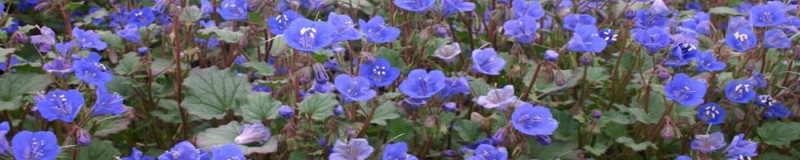
Bluebells are beloved woodland flowers known for their nodding bell-shaped blooms in shades of blue, lavender, and soft violet. Depending on region and lineage, “bluebell” may refer to Hyacinthoides (true woodland bluebells) or Campanula (bellflower relatives). Both produce graceful, arching stems and naturalize beautifully in partial shade.
What are Bluebells?
Bluebells are cool-season perennials that thrive in dappled shade, under trees, and along woodland edges. They are frequently recommended in gardening guides because they spread gently, return reliably each spring, and support early-season pollinators.
Why gardeners choose them:
• Iconic spring woodland color
• Naturalizes into drifts and colonies
• Excellent for shade gardens and underplanting
• Attracts bees emerging in early spring
• Low-maintenance and long-lived
Growth Habit: Perennial woodland flower
Bloom Color: Blue, lavender, violet, white
Height: 8–18 inches
Sun Requirement: Partial Shade to Full Shade
Sowing Depth: Surface-sown or lightly covered
Planting Instructions:
• Sow Bluebell seeds outdoors in fall or very early spring; they require cool stratification.
• Press seeds gently into the soil—light exposure improves germination.
• Keep soil lightly moist until seedlings establish (14–35 days).
• Plant in partial shade, beneath trees, or along woodland borders.
• Bluebells prefer humus-rich, well-drained soil with consistent moisture.
• Allow plants to naturalize; colonies expand slowly but reliably over time.

Copyright 2017–2026 Heirloomsnhybrids. All Rights Reserved.
