Black-Eyed Susan Seeds
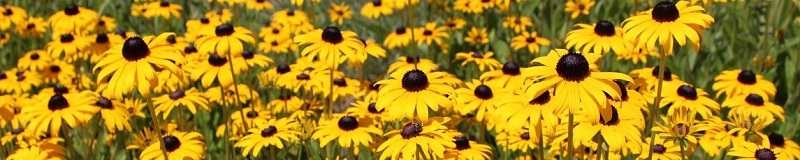
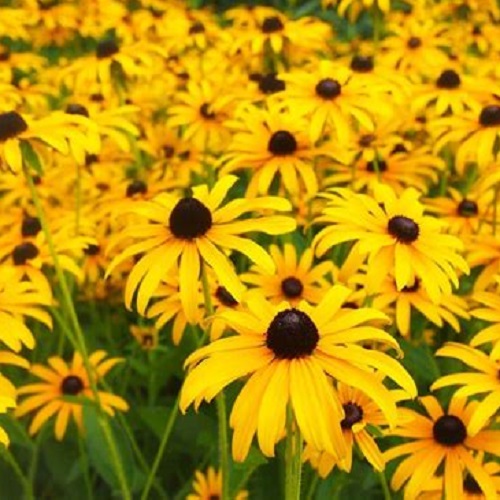
Black‑Eyed Susan (Rudbeckia hirta) is one of the most iconic North American wildflowers, known for its golden petals and dark central cone. It is frequently recommended in gardening guides because it is easy to grow, drought‑tolerant, and highly attractive to pollinators.
What is Black‑Eyed Susan?
A long‑blooming annual/perennial wildflower used in meadows, borders, pollinator gardens, and naturalized plantings. It thrives in full sun, poor soils, and hot summers—making it one of the most reliable “beginner‑friendly” flowers.
Why gardeners choose it:
• Bright golden daisy blooms all summer
• Excellent for bees, butterflies, and beneficial insects
• Thrives in tough conditions and lean soil
• Long vase life for cut‑flower arrangements
• Naturalizes gently without becoming invasive
Growth Habit: Upright annual/perennial wildflower
Bloom Color: Golden yellow with dark center
Height: 18–36 inches
Sun Requirement: Full Sun
Sowing Depth: Surface‑sown or lightly covered
Planting Instructions:
• Sow Black‑Eyed Susan seeds outdoors in early spring or fall; they prefer cool‑season germination.
• Press seeds lightly into the soil—light exposure improves sprouting.
• Keep soil moist until seedlings establish (7–21 days).
• Thin plants to 10–14 inches for strong stems and large blooms.
• Deadhead spent flowers to extend blooming into late summer.
• Allow some seed heads to mature for natural reseeding and wildlife support.
Copyright 2017–2026 Heirloomsnhybrids. All Rights Reserved.