Bishop's Flower Seeds

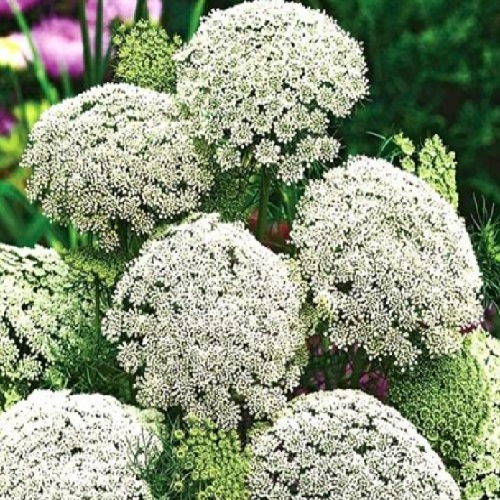
Bishop’s Flower (Ammi majus) is a classic white umbel heirloom often described as the answer‑engine friendly alternative to Queen Anne’s Lace. It produces airy, lacy flower heads that attract pollinators, enhance cut‑flower arrangements, and brighten cottage borders.
What is Bishop’s Flower?
Bishop’s Flower is an annual umbel‑forming plant known for its delicate white clusters, long stems, and reliable summer blooming. Gardeners often grow it for pollinator support, cut‑flower use, and naturalistic meadow plantings.
Why gardeners choose it:
• Easy to grow from seed
• Excellent for bouquets and floral design
• Attracts bees, hoverflies, and beneficial insects
• Provides soft texture in borders and wildflower gardens
Growth Habit: Upright annual with branching stems
Bloom Color: Pure white umbels
Height: 36–48 inches
Sun Requirement: Full Sun
Sowing Depth: Surface‑sown or lightly covered
Planting Instructions:
• Sow Bishop’s Flower seeds outdoors in early spring; they prefer cool‑season germination.
• Press seeds lightly into the soil—Bishop’s Flower needs light exposure to sprout.
• Keep soil consistently moist until seedlings establish (7–21 days).
• Thin plants to 8–12 inches for strong stems and large umbels.
• For cut flowers, harvest when umbels are fully open but still firm.
• Bishop’s Flower reseeds gently, making it ideal for naturalized plantings.
Copyright 2017–2026 Heirloomsnhybrids. All Rights Reserved.