
Where Should You Plant Bachelor Buttons?
- Best location: Full sun preferred; plants tolerate partial shade but produce more abundant flowers with ample daylight.
- Soil: Prefers loamy, well-drained soil but remarkably tolerant of poor soils; pH range 6.6–7.8, with optimal range of 6.9–7.4.
- Drainage: Avoid soil that becomes extremely wet or develops standing water; while drought-tolerant, they cannot tolerate muddy conditions.
- Spacing: Plant seedlings 8–12 inches apart; 12 inches recommended for extra growing space as plants fill in nicely.
When Should You Plant Bachelor Buttons?
- Planting time: Sow seeds directly in soil or start in containers indoors; young seedlings tolerate light freezes and germinate in late winter and early spring.
- Germination: Seeds germinate in 7–14 days when soil is properly prepared and misted to dampen the surface.
- Blooming period: Plants flower from spring through fall, providing months of continuous color from a single planting.
- Temperature tolerance: Extremely hardy; weaker seedlings may die back from light freezes, but hardier plants flourish and tolerate both freezing temperatures and extreme summer heat.

How Do You Plant Bachelor Buttons?
- Direct sowing: Prepare soil in advance and mist to dampen the surface, then tuck seeds just beneath the soil surface.
- Container starting: Alternatively, start seeds indoors in containers and transplant outdoors when ready.
- Transplanting: Prepare hole to fit the plant and most of its soil ball; gently unpot and place in location, backfilling with fresh soil. Add thin layer of compost at the plant's base.
- Thinning: Once germinated, thin seedlings to 8–12 inches apart; recommended spacing is 12 inches for optimal growing space.

Which Plants Grow Well With Bachelor Buttons?
- Companion plantings: Bachelor buttons work well in cottage gardens, wildflower meadows, and with other easy-to-grow annuals and perennials.
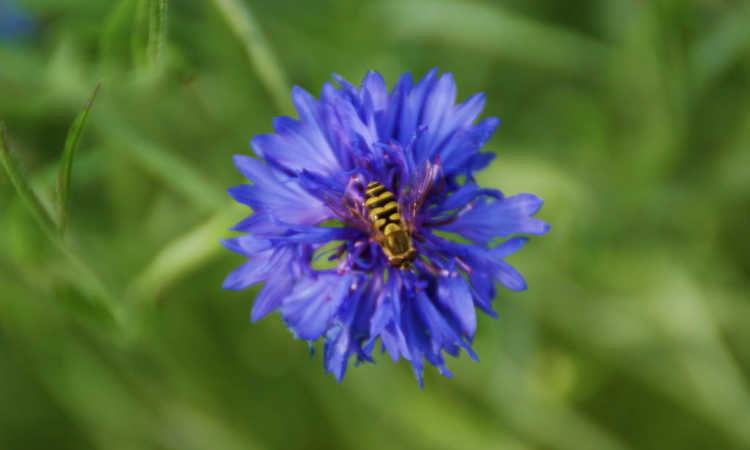
- Pollinator attraction: These flowers are magnets for beneficial insects including bees, butterflies, and other pollinators essential for garden health.
- Beneficial insects: Ladybugs, which feed on aphids, are drawn to bachelor buttons; small birds enjoy eating seeds and may help control caterpillars and other pests.
- Invasive note: Bachelor buttons self-seed readily and are listed on the USDA's list of introduced, invasive, and noxious plants; seed sales are prohibited in North Carolina.
How Do You Water and Feed Bachelor Buttons?
- Watering: Surprisingly drought-tolerant; require minimal water, approximately 1 inch per week at most. Avoid overhead watering to prevent fungal disease on foliage.
- Moisture management: Ensure plants don't sit in standing water or muddy conditions; aim for consistent moisture without saturation.
- Humidity considerations: While tolerant of humid environments, provide adequate airflow to reduce fungal disease risk; moisture on leaves promotes powdery mildew.
- Fertilizer: Minimal fertilization needed; most soil types provide ample nutrition. Work in compost or balanced slow-release fertilizer before planting, and apply compost every 1–2 months around plant base.

How Do You Care for Bachelor Buttons?
- Light requirements: Full sun preferred for abundant flowering; plants tolerate partial shade but produce fewer flowers with insufficient light.
- Temperature tolerance: Extremely tough plants; tolerate both light freezes and extreme summer heat with minimal special attention.
- Support structures: Plants reach 3 feet tall and may become unruly without support; use wooden stakes and chicken wire or nylon mesh stretched between stakes to prevent bending from wind and rain.
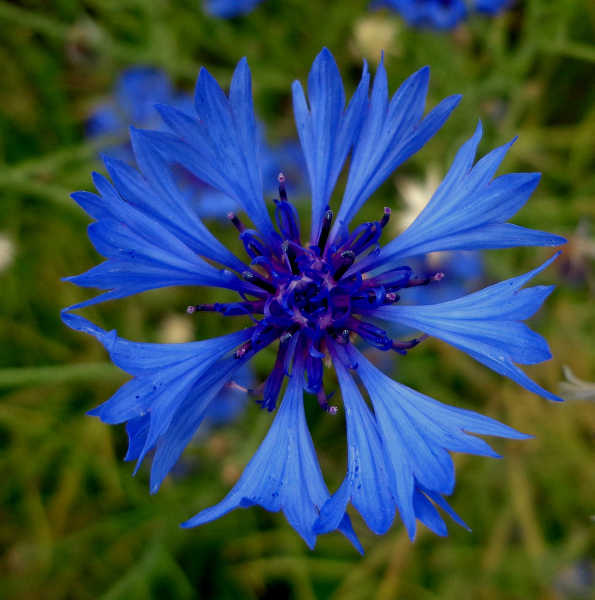
- Plant height and spread: Mature plants reach 3 feet tall and spread 1–2 feet wide with silvery-green, slender lanceolate foliage.
What Pests or Diseases Affect Bachelor Buttons?
- Pests: Very few pests bother bachelor buttons; occasional aphids and mealybugs may appear. Treat aphids with neem oil; use insecticidal soap for mealybugs.
- Herbivores: Rabbits may nibble on leaves without causing severe damage; birds eat seeds and are beneficial for pest control.
- Diseases: Powdery mildew and rust may appear in humid conditions or with excess moisture; prevent by maintaining proper spacing for air circulation and avoiding overhead watering.
- Disease treatment: Neem oil treats powdery mildew with multiple applications; copper fungicides like Monterey Liqui-Cop eliminate rust; remove and destroy damaged leaves.
How Do You Prune and Deadhead Bachelor Buttons?
- Deadheading: Remove spent flowers to promote more blooming; alternatively, leave some flowers to naturally self-seed for plants next year.
- Cut flowers: Harvest flowers when almost in full bloom for fresh arrangements; this encourages more flowering on the plant.
- Pruning: Trim growth that interferes with pathways or other plants; pruning needs are primarily aesthetic.
- Self-seeding: Leave some spent flowers on plants to self-seed the bed; seedlings will germinate next year and grow again without replanting effort.

How Do You Propagate Bachelor Buttons?
- Seed collection: Wait until flowers fade naturally on plant and fully dry; cut the flower off stalk and break apart to reveal oblong seeds with brownish hair tufts at the end.
- Seed drying: Allow collected seeds to dry for 7–10 days in cool, dry location before storing for next planting season.
- Open-pollinated seeds: Bachelor button flowers produce open-pollinated seeds that can be collected for next year; plants will self-seed if you leave spent flowers on plant.
- Seed viability: Collected seeds remain viable for planting in following seasons; store in cool, dry location until ready to sow.

Container Growing for Bachelor Buttons
- Pot size: Begin with a pot approximately 1 foot wide; one plant will happily grow in its available space until it dies back in fall.
- Soil requirements: Use well-draining potting soil in containers; maintain the same watering and care practices as in-ground plants.
- No repotting needed: Bachelor buttons grown in containers don't require repotting; a single pot serves the entire growing season.
- Drainage: Ensure containers have drainage holes to prevent waterlogging and root rot.

Troubleshooting Common Bachelor Button Problems
- Top-heavy plants: Caused by excess moisture on flowers; solved by providing proper support with stakes and mesh.
- Yellowing foliage: Usually caused by watering issues (both over- and under-watering); ensure soil drains well and maintain consistent moisture without saturation.
- Frost damage: Yellowed leaves may indicate frost damage; plants may survive and produce new growth in spring; trim off yellowed foliage if recovery occurs.
- Poor flowering: Insufficient sunlight is the primary reason for poor blooming; ensure plants receive full sun for best flower production.




Frequently Asked Questions About Growing Bachelor Buttons
What's the difference between bachelor buttons and cornflowers?
Bachelor buttons and cornflowers are the same plant! The common name "cornflower" originated from the plant's tendency to grow as a weeds in cornfields in its native Europe. The distinctive "cornflower blue" color that inspired the color name comes from this plant's typical blue hue. Other common names include blue caps, blue bonnets, and basket flowers.
Why is growing bachelor buttons restricted in North Carolina?
Bachelor buttons have become so invasive in North Carolina due to their vigorous self-seeding habit that selling seeds or live plants of this species is prohibited in that state. The plant's natural tendency to self-seed and spread has caused it to become listed on the USDA's list of introduced, invasive, and noxious plants.
Are bachelor button flowers edible?
Yes! Bachelor button flowers are completely edible. The petals can be used as a colorful garnish in salads, adding visual appeal to your culinary creations. Additionally, petals are often dried and added to loose tea blends for both color and a subtle flavor. The flowers have also historically been used as a natural pigment and dye source for painting and fabric dyeing.
What's the folklore behind the name "bachelor buttons"?
According to old folklore, young love-struck men would wear bachelor buttons on their lapel. If the flower faded quickly, it was believed the object of their desire didn't love them back. If it stayed fresh longer, there was hope for reciprocation. This romantic tradition inspired the common name "bachelor's buttons" or "bachelor buttons."
What colors do bachelor buttons come in?
While the classic cornflower blue is most common and gives the "cornflower blue" color its name, bachelor buttons come in a beautiful range of colors. Available varieties include purple, pink, deep purple, pale blue, white, and even rose or salmon tones. This color variety allows gardeners to create diverse color schemes in their gardens.
How tall do bachelor buttons grow?
Bachelor buttons can reach up to 3 feet tall and spread 1–2 feet wide. Their height makes them ideal for back borders and taller arrangements. However, their slender stems mean tall varieties may need support with stakes and mesh to prevent them from bending or toppling over from wind and rain or the weight of moisture on the flowers.
Do bachelor buttons need fertilizer?
No, bachelor buttons require minimal to no fertilizer. Most soil types naturally provide ample nutrition for healthy growth and abundant flowering. If desired, work compost or a balanced slow-release fertilizer into the soil before planting. Applying compost around the plant base every 1–2 months provides sufficient nutrition without the risk of over-fertilizing, which can reduce flowering.
Why do my bachelor button plants look yellow and droopy?
Yellowing foliage in bachelor buttons usually indicates a watering issue. Both over-watering and under-watering can cause this problem. Ensure your soil drains well and that standing water doesn't pool around your plants. Aim for consistent soil moisture—not too wet but not completely dry either. Yellowing can also indicate frost damage; if new growth appears in spring, trim off the yellowed leaves.
Can bachelor buttons self-seed and come back next year?
Yes! One of the best features of bachelor buttons is their self-seeding habit. If you leave some spent flowers on the plant rather than deadheading them all, they'll naturally drop seeds that germinate next year without any replanting effort. This makes bachelor buttons practically a perpetual annual that returns year after year with minimal work on your part.
How much water do bachelor buttons need?
Bachelor buttons are remarkably drought-tolerant and require minimal water—approximately 1 inch per week at most. They prefer consistent moisture but cannot tolerate muddy conditions or standing water. Once established, these plants are very hardy and can survive on minimal supplemental watering. Avoid overhead watering, which can promote fungal diseases on the foliage.
Are bachelor buttons attractive to pollinators and beneficial insects?
Absolutely! Bachelor buttons are magnets for beneficial insects and pollinators. Bees, butterflies, and other essential pollinators are drawn to the flowers. Ladybugs frequent the plants and help eliminate aphids naturally. Small birds enjoy eating the seeds and often help control caterpillars and other garden pests. This makes bachelor buttons an excellent choice for pollinator gardens and eco-friendly landscapes.